Did you know?
99.999%
>99.999% availability designed for time-critical environments
43
43 languages supported through real-time translation capabilities
1
Single headset, single interface for radio and telephony communications
>99.999% availability designed for time-critical environments
43 languages supported through real-time translation capabilities
Single headset, single interface for radio and telephony communications
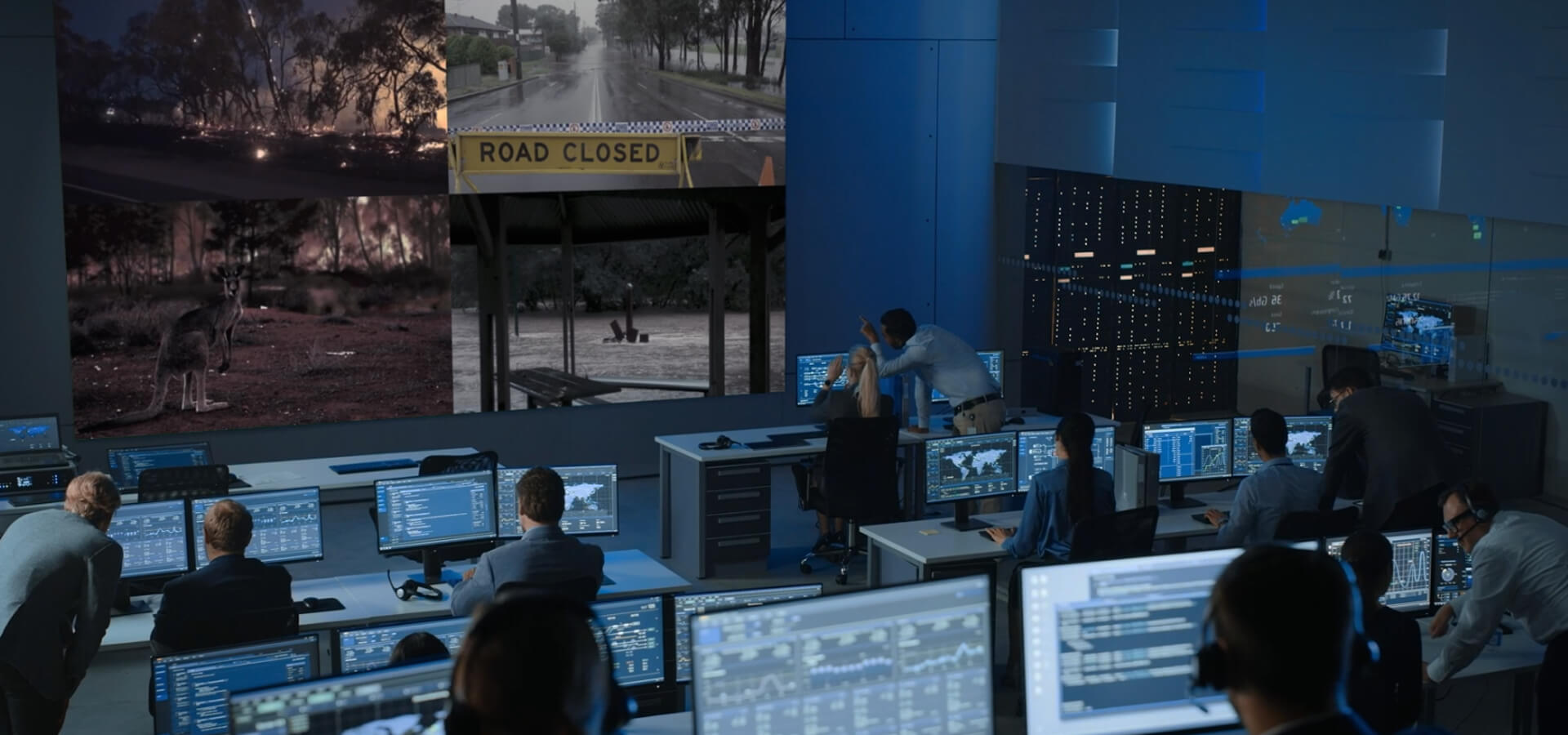
Emergency control rooms rely on seamless communication across radio, telephony, and digital channels. Yet many environments still operate with fragmented systems, multiple consoles, and duplicated audio paths - increasing complexity and cognitive load for call takers and dispatchers.
NEC’s Integrated Communication Control System (ICCS) provides a resilient, secure platform that unifies radio and telephony communications through a single touchscreen interface and headset. By consolidating communication channels into one integrated control environment, ICCS improves clarity, coordination, and operational efficiency during critical incidents.
Designed for high-availability public safety environments, ICCS supports emergency call taking, dispatch, supervisory monitoring, and multi-agency coordination within a single, scalable solution.
Bringing radio and telephony together in a single control room interface.

NEC brings decades of mission-critical communications experience across public safety and emergency service environments. ICCS is engineered to operate at the same high levels of resilience and availability expected of computer-aided dispatch and control room systems.
Our approach focuses on reducing operational complexity, improving audio clarity, and enabling seamless coordination across voice technologies - helping agencies modernise legacy infrastructure while maintaining continuity and trust.
With local expertise and integration capability across call handling, dispatch, and secure networks, NEC delivers ICCS as part of a broader, end-to-end public safety ecosystem.
Enabling safer communities through smarter technology.
Manages digital and analogue radio alongside telephony within a single interface and audio presentation layer.
Cross-connects radio and telephone participants in real time to support coordinated multi-channel response.
Provides visibility of incoming telephony and radio activity through a consolidated operator queue.
Enables real-time oversight, status visibility, silent monitoring, and assisted intervention where required.
Intuitive, minimal-click user experience designed to reduce training overhead and cognitive load.
Dual resilient design with immediate failover, engineered for >99.999% system availability.
Supports analogue, digital, TETRA, VHF, MF, and LTE/4G radio environments.
Real-time language recognition, translation, and speech synthesis enabling two-way communication across 40+ languages.
Cutting Through the Noise: Transforming Information Overload into Operational Insight
From Overload to Insight: How Control Rooms can lead in a complex operational landscape
Beyond the Walls: Rethinking Justice and Corrections Through Technology
What's Next for Unified Communications: AI, Immersive Collaboration, and Beyond
Call Takers, Dispatchers
Operators manage separate radio and telephony consoles, increasing cognitive load and slowing coordination.
ICCS consolidates communications into a single interface and headset, enabling seamless patching between radio and telephony.
Reduced complexity, improved audio clarity, and faster coordinated response.
Shift Supervisors, Operations Managers
Limited visibility into operator workload and live communications across multiple channels.
ICCS provides real-time monitoring, call visibility, and assisted intervention capabilities.
Improved oversight, performance management, and operational resilience.
Emergency Call Takers
Language barriers delay information gathering and response during emergency calls.
Rapid Translate capability enables real-time speech recognition, translation, and text-to-speech in over 40 languages.
Faster information capture, improved inclusivity, and safer outcomes for culturally diverse communities.

Transforming Emergency Services Contact and Control Room Operations.
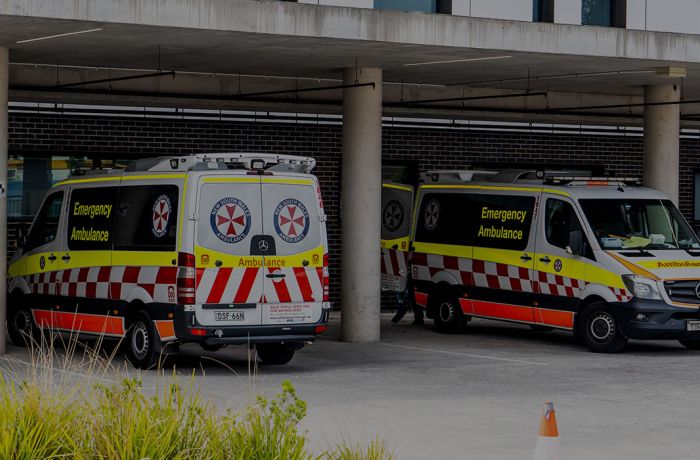
Mission-critical voice. Ensuring continuity when it matters most.

Protecting privacy at speed and scale.

From incident creation to prosecution - one trusted information environment.